Buy weinfest.eu ?
We are moving the project
weinfest.eu .
Are you interested in purchasing the domain
weinfest.eu ?
domain@kv-gmbh.de · 0541-91531010
Buy weinfest.eu ?
What are intermolecular forces?
Intermolecular forces are the attractive forces that exist between molecules. These forces are responsible for holding molecules together in a liquid or solid state. There are several types of intermolecular forces, including hydrogen bonding, dipole-dipole interactions, and London dispersion forces. These forces play a crucial role in determining the physical properties of substances, such as their boiling and melting points, as well as their solubility and viscosity. **
What intermolecular forces exist?
Intermolecular forces are the forces of attraction and repulsion between molecules. The main types of intermolecular forces include London dispersion forces, dipole-dipole interactions, and hydrogen bonding. London dispersion forces are the weakest type of intermolecular force and occur between all molecules. Dipole-dipole interactions occur between polar molecules, where the positive end of one molecule is attracted to the negative end of another. Hydrogen bonding is a special type of dipole-dipole interaction that occurs when hydrogen is bonded to highly electronegative atoms like oxygen, nitrogen, or fluorine. **

Similar search terms for Intermolecular
Top-Angebote
Products related to Intermolecular:
-
Final Touch Set of 6ISO Wine Tasting Crystal Glasses - 7.27 OzFinal Touch ISO INAO Wine Tasting Glasses Set of 6 - Lead-Free Crystal for Red, White, Sparkling, Rosé - 7¼ oz Capacity - Ideal for Wine Tastings and Events (WGT406) - New Discover refined tasting clarity with the Final Touch ISO INAO Wine Tasting…54,93 $*Shipping: 0,00 $Secure redirect to the provider
-
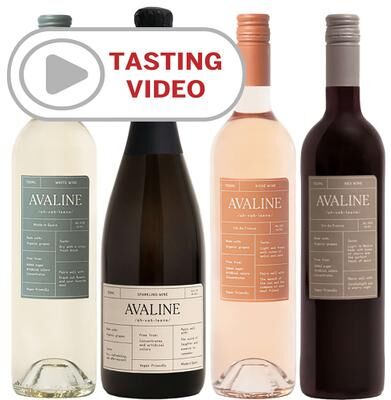
"""Avaline Complete Wine Set with Tasting Video Featuring Cameron Diaz - Other""""""Watch a tasting with Cameron Diaz and Katherine Power, the creators of Avaline! These leading ladies set out to create a clean, delicious wine brand on a mission to raise the standard of what goes into your glass. Their full range of wines are made..."79,99 $*Shipping: 0,00 $Secure redirect to the provider
-
Vintiquewise Versatile Multi-Tier Shelves Wooden Rolling Cart - Perfect for Festival, Event Stand, Food TastingDimensions: Measuring 52 inches wide, 26 inches long, and 67 inches high, this wooden wagon vendor cart offers spacious shelves, perfect for showcasing market goods, flower arrangements, food, and decorative pieces.949,99 $*Shipping: 0,00 $Secure redirect to the provider
-
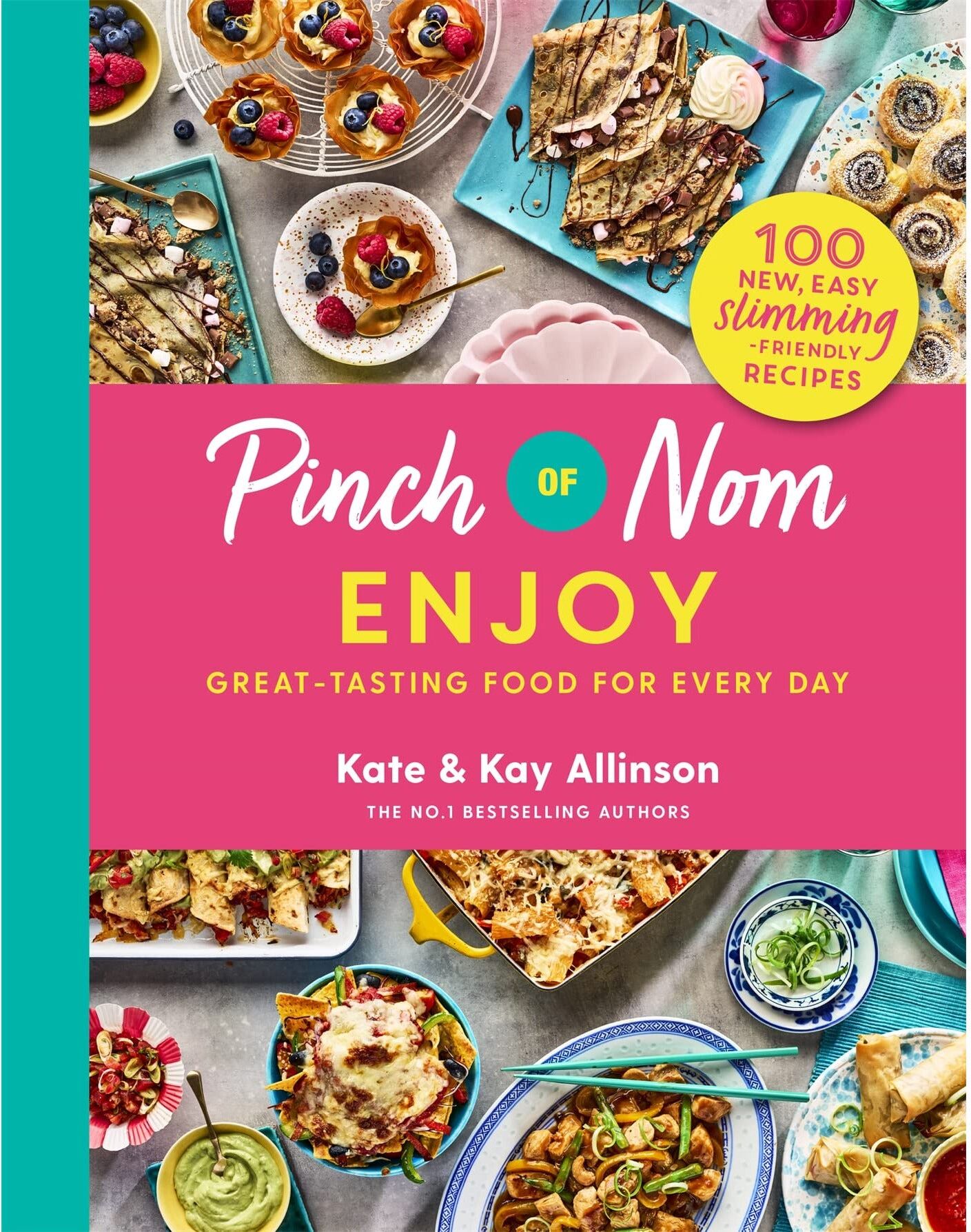
MACMILLAN Pinch of Nom Enjoy: Great-tasting Food For Every Day by Kate & Kay AllisonEnjoy more of the food you love. Never feel like you’re missing out. One hundred truly tasty recipes from Pinch of Nom. Number-one bestselling authors Kate and Kay are back with an irresistible collection of recipes that everyone will enjoy. From all-day breakfasts to cheeky fakeaways and one-pan meals to scrumptious desserts, these crowd-pleasers are so satisfying and delicious that you’d never guess they are also slimming-friendly. There are recipes for air fryers, slow cookers and electric pressure cookers, giving you loads of simple, flexible cooking methods to choose from. Featuring Pinch of Nom’s trademark bold flavours and easy-to-find ingredients, Enjoy is packed with food that you’ll want to savour and share with loved ones, over and over again.13,89 £*Shipping: 2,99 £Secure redirect to the provider


-
What are intermolecular interactions?
Intermolecular interactions are the forces of attraction or repulsion between molecules. These interactions play a crucial role in determining the physical and chemical properties of substances. Examples of intermolecular interactions include hydrogen bonding, van der Waals forces, and dipole-dipole interactions. These forces can affect properties such as boiling and melting points, solubility, and viscosity. **
-
How are intermolecular forces classified?
Intermolecular forces are classified into three main categories: dispersion forces, dipole-dipole forces, and hydrogen bonding. Dispersion forces are the weakest type of intermolecular force and are caused by temporary fluctuations in electron distribution within molecules. Dipole-dipole forces occur between polar molecules and are stronger than dispersion forces. Hydrogen bonding is the strongest type of intermolecular force and occurs when hydrogen is bonded to highly electronegative atoms like oxygen, nitrogen, or fluorine. **
-
What are strong intermolecular interactions?
Strong intermolecular interactions are attractive forces between molecules that are stronger than typical van der Waals forces. These interactions can include hydrogen bonding, dipole-dipole interactions, and ion-dipole interactions. Strong intermolecular interactions play a crucial role in determining the physical properties of substances such as boiling point, melting point, and solubility. They are important in various biological processes, such as protein folding and DNA replication. **
-
Which intermolecular interactions are possible?
Intermolecular interactions that are possible include hydrogen bonding, dipole-dipole interactions, and London dispersion forces. Hydrogen bonding occurs when a hydrogen atom is bonded to a highly electronegative atom such as oxygen, nitrogen, or fluorine. Dipole-dipole interactions occur between molecules with permanent dipoles, while London dispersion forces are the weakest intermolecular interactions and occur between all molecules due to temporary fluctuations in electron distribution. These interactions play a crucial role in determining the physical properties of substances such as boiling and melting points. **


What are intermolecular interactions in chemistry?
Intermolecular interactions are the forces of attraction or repulsion between molecules. These interactions play a crucial role in determining the physical properties of substances, such as boiling point, melting point, and solubility. The main types of intermolecular interactions include hydrogen bonding, dipole-dipole interactions, and van der Waals forces. These interactions are weaker than chemical bonds within a molecule, but they still significantly impact the behavior and properties of substances. **
Which intermolecular forces are the strongest?
The strongest intermolecular forces are hydrogen bonding, which occurs when a hydrogen atom is bonded to a highly electronegative atom such as oxygen, nitrogen, or fluorine. Hydrogen bonding is stronger than dipole-dipole interactions and London dispersion forces. This is because hydrogen bonding involves a particularly strong attraction between the partially positive hydrogen atom and the partially negative atom it is bonded to, leading to a higher energy of interaction compared to other intermolecular forces. **
Top-Angebote
Products related to Intermolecular:
-
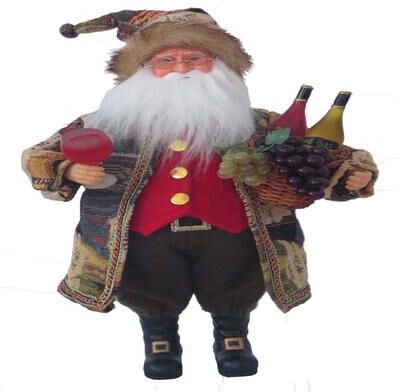
Santa's Workshop "15"" Wine Tasting Claus - Red"Santa likes his milk on Christmas Eve, but he likes his wine the rest of the year. This figurine has a glass of his favorite Merlot in one hand and a basket of wine and grapes in the other. His detailed coat is a tapestry of wine bottles and grapes.62,07 $*Shipping: 0,00 $Secure redirect to the provider
-
Final Touch Set of 6ISO Wine Tasting Crystal Glasses - 7.27 OzFinal Touch ISO INAO Wine Tasting Glasses Set of 6 - Lead-Free Crystal for Red, White, Sparkling, Rosé - 7¼ oz Capacity - Ideal for Wine Tastings and Events (WGT406) - New Discover refined tasting clarity with the Final Touch ISO INAO Wine Tasting…54,93 $*Shipping: 0,00 $Secure redirect to the provider
-
"""Avaline Complete Wine Set with Tasting Video Featuring Cameron Diaz - Other""""""Watch a tasting with Cameron Diaz and Katherine Power, the creators of Avaline! These leading ladies set out to create a clean, delicious wine brand on a mission to raise the standard of what goes into your glass. Their full range of wines are made..."79,99 $*Shipping: 0,00 $Secure redirect to the provider
-
What are intermolecular forces?
Intermolecular forces are the attractive forces that exist between molecules. These forces are responsible for holding molecules together in a liquid or solid state. There are several types of intermolecular forces, including hydrogen bonding, dipole-dipole interactions, and London dispersion forces. These forces play a crucial role in determining the physical properties of substances, such as their boiling and melting points, as well as their solubility and viscosity. **
-
What intermolecular forces exist?
Intermolecular forces are the forces of attraction and repulsion between molecules. The main types of intermolecular forces include London dispersion forces, dipole-dipole interactions, and hydrogen bonding. London dispersion forces are the weakest type of intermolecular force and occur between all molecules. Dipole-dipole interactions occur between polar molecules, where the positive end of one molecule is attracted to the negative end of another. Hydrogen bonding is a special type of dipole-dipole interaction that occurs when hydrogen is bonded to highly electronegative atoms like oxygen, nitrogen, or fluorine. **
-
What are intermolecular interactions?
Intermolecular interactions are the forces of attraction or repulsion between molecules. These interactions play a crucial role in determining the physical and chemical properties of substances. Examples of intermolecular interactions include hydrogen bonding, van der Waals forces, and dipole-dipole interactions. These forces can affect properties such as boiling and melting points, solubility, and viscosity. **
-
How are intermolecular forces classified?
Intermolecular forces are classified into three main categories: dispersion forces, dipole-dipole forces, and hydrogen bonding. Dispersion forces are the weakest type of intermolecular force and are caused by temporary fluctuations in electron distribution within molecules. Dipole-dipole forces occur between polar molecules and are stronger than dispersion forces. Hydrogen bonding is the strongest type of intermolecular force and occurs when hydrogen is bonded to highly electronegative atoms like oxygen, nitrogen, or fluorine. **
Similar search terms for Intermolecular
-
Vintiquewise Versatile Multi-Tier Shelves Wooden Rolling Cart - Perfect for Festival, Event Stand, Food TastingDimensions: Measuring 52 inches wide, 26 inches long, and 67 inches high, this wooden wagon vendor cart offers spacious shelves, perfect for showcasing market goods, flower arrangements, food, and decorative pieces.949,99 $*Shipping: 0,00 $Secure redirect to the provider
-
MACMILLAN Pinch of Nom Enjoy: Great-tasting Food For Every Day by Kate & Kay AllisonEnjoy more of the food you love. Never feel like you’re missing out. One hundred truly tasty recipes from Pinch of Nom. Number-one bestselling authors Kate and Kay are back with an irresistible collection of recipes that everyone will enjoy. From all-day breakfasts to cheeky fakeaways and one-pan meals to scrumptious desserts, these crowd-pleasers are so satisfying and delicious that you’d never guess they are also slimming-friendly. There are recipes for air fryers, slow cookers and electric pressure cookers, giving you loads of simple, flexible cooking methods to choose from. Featuring Pinch of Nom’s trademark bold flavours and easy-to-find ingredients, Enjoy is packed with food that you’ll want to savour and share with loved ones, over and over again.13,89 £*Shipping: 2,99 £Secure redirect to the provider
-
Vintiquewise Versatile Multi-Tier Shelves Wooden Rolling Cart - Perfect for Festival, Event Stand, Food Tasting Display RackDimensions: Measuring 57 inches wide, 24 inches long, and 67 inches high, this wooden wagon vendor cart offers spacious shelves, perfect for showcasing market goods, flower arrangements, food, and decorative pieces.862,39 $*Shipping: 0,00 $Secure redirect to the provider
-
"""Invivo X""" """Invivo X by Sarah Jessica Parker Wine Duo with Tasting Video - Other""""""Combine New York sass with international winemaking know-how and you’ve got a recipe for something very special. Watch a virtual tasting with Invivo X creators Sarah Jessica Parker, Rob Cameron, and Tim Lightbourne as they share the inaugural..."38,99 $*Shipping: 0,00 $Secure redirect to the provider
-
What are strong intermolecular interactions?
Strong intermolecular interactions are attractive forces between molecules that are stronger than typical van der Waals forces. These interactions can include hydrogen bonding, dipole-dipole interactions, and ion-dipole interactions. Strong intermolecular interactions play a crucial role in determining the physical properties of substances such as boiling point, melting point, and solubility. They are important in various biological processes, such as protein folding and DNA replication. **
-
Which intermolecular interactions are possible?
Intermolecular interactions that are possible include hydrogen bonding, dipole-dipole interactions, and London dispersion forces. Hydrogen bonding occurs when a hydrogen atom is bonded to a highly electronegative atom such as oxygen, nitrogen, or fluorine. Dipole-dipole interactions occur between molecules with permanent dipoles, while London dispersion forces are the weakest intermolecular interactions and occur between all molecules due to temporary fluctuations in electron distribution. These interactions play a crucial role in determining the physical properties of substances such as boiling and melting points. **
-
What are intermolecular interactions in chemistry?
Intermolecular interactions are the forces of attraction or repulsion between molecules. These interactions play a crucial role in determining the physical properties of substances, such as boiling point, melting point, and solubility. The main types of intermolecular interactions include hydrogen bonding, dipole-dipole interactions, and van der Waals forces. These interactions are weaker than chemical bonds within a molecule, but they still significantly impact the behavior and properties of substances. **
-
Which intermolecular forces are the strongest?
The strongest intermolecular forces are hydrogen bonding, which occurs when a hydrogen atom is bonded to a highly electronegative atom such as oxygen, nitrogen, or fluorine. Hydrogen bonding is stronger than dipole-dipole interactions and London dispersion forces. This is because hydrogen bonding involves a particularly strong attraction between the partially positive hydrogen atom and the partially negative atom it is bonded to, leading to a higher energy of interaction compared to other intermolecular forces. **
* All prices are inclusive of VAT and, if applicable, plus shipping costs. The offer information is based on the details provided by the respective shop and is updated through automated processes. Real-time updates do not occur, so deviations can occur in individual cases. ** Note: Parts of this content were created by AI.