Buy weinfest.eu ?
We are moving the project
weinfest.eu .
Are you interested in purchasing the domain
weinfest.eu ?
domain@kv-gmbh.de · 0541-91531010
Buy weinfest.eu ?
Why should one not only act according to economic principles when dealing with a checking account?
While economic principles are important when managing a checking account, it is also crucial to consider other factors such as personal financial goals, risk tolerance, and individual circumstances. Simply focusing on economic principles may overlook the emotional aspects of money management, such as peace of mind and financial security. Additionally, neglecting to consider non-economic factors could lead to decisions that do not align with one's values or long-term objectives. Therefore, a holistic approach that takes into account both economic principles and personal considerations is essential for effective checking account management. **
What are tips for dealing with clinginess?
1. Set boundaries: It's important to communicate your needs and set boundaries with the person who is being clingy. Let them know when you need space and time for yourself. 2. Encourage independence: Encourage the clingy person to pursue their own interests and hobbies, and to spend time with other friends and family members. This can help them become more self-reliant and less dependent on you for constant attention. 3. Be understanding: Try to understand the underlying reasons for their clinginess, such as insecurity or fear of abandonment. Show empathy and offer support as they work through their emotions. 4. Seek professional help if needed: If the clinginess is causing significant distress or strain on the relationship, consider seeking the help of a therapist or counselor to work through the issues together. **
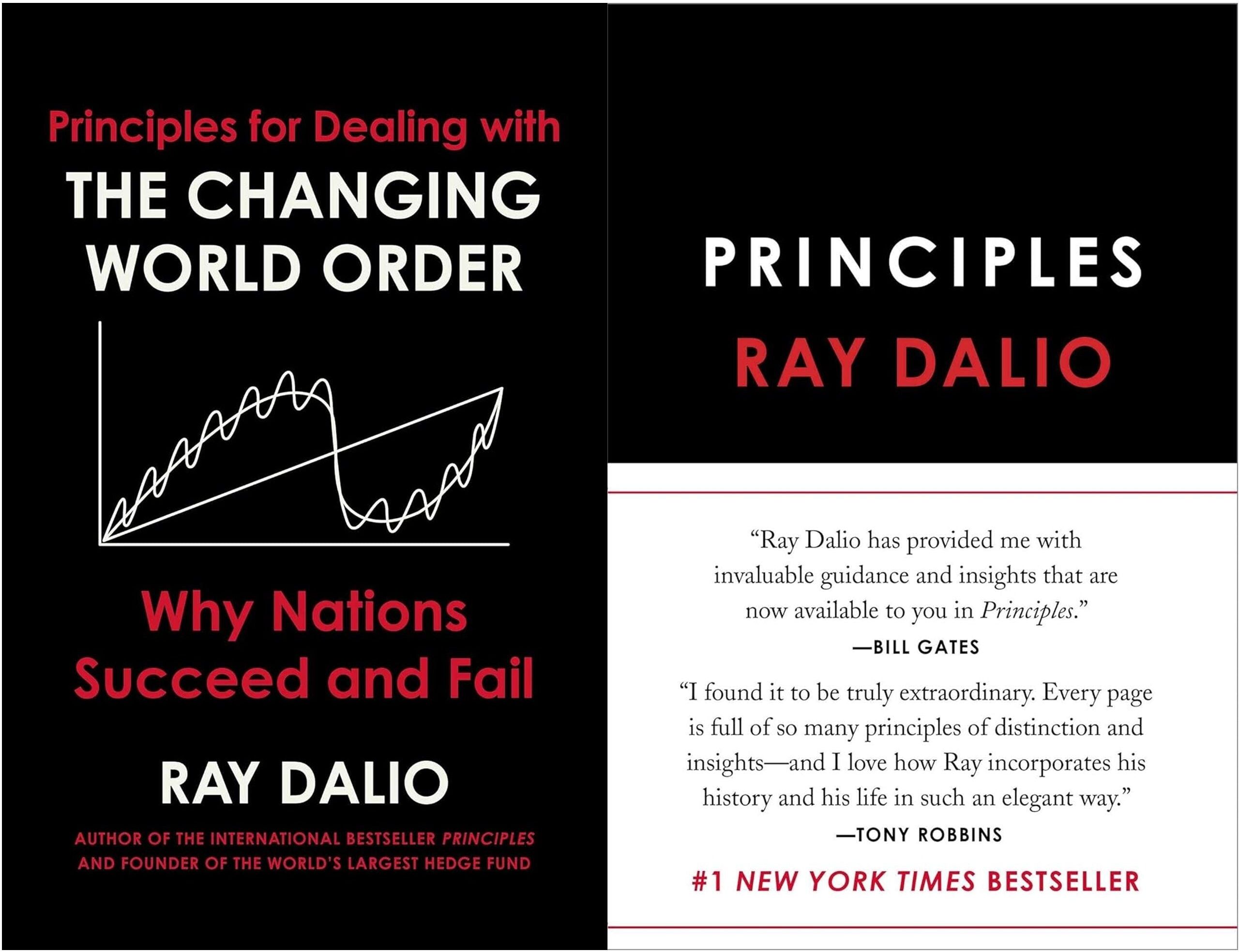
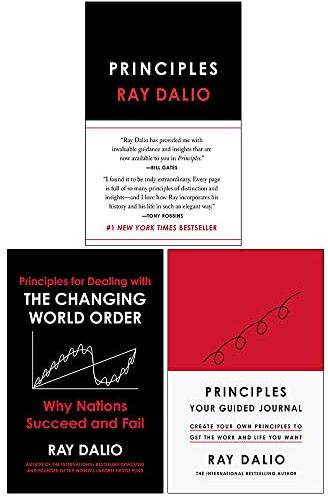
Similar search terms for Principles-for-Dealing-with
Top-Angebote
Products related to Principles-for-Dealing-with:
-
Simon and Schuster Ltd Ray Dalio Collection 4 Books Set (Principles Life and Work, Principles for Dealing with the Changing World Order, Principles Your Guided Journal and HRay Dalio Collection 4 Books Set (Principles Life and Work, Principles for Dealing with the Changing World Order, Principles Your Guided Journal and How Countries Go Broke) Books Included in This Set: Principles: Life and Work Principles for Dealing with the Changing World Order Principles: Your Guided Journal How Countries Go Broke Principles: Life and Work Ray Dalio, one of the world’s most successful investors and entrepreneurs, shares the unconventional principles that he’s developed, refined, and used over the past forty years to create unique results in both life and business—and which any person or organization can adopt to help achieve their goals. Principles for Dealing with the Changing World Order From legendary investor Ray Dalio, author of the international bestseller Principles, who has spent half a century studying global economies and markets, Principles for Dealing with the Changing World Order examines history’s most turbulent economic and political periods to reveal why the times ahead will likely be radically different from those we’ve experienced in our lifetimes - but similar to those that have happened many times before. Principles: Your Guided Journal In his international bestseller Principles, legendary investor Ray Dalio introduced millions of readers around the world to the unconventional approach he developed as the founder and builder of Bridgewater Associates, the largest and most successful hedge fund in the world. Dalio attributes his unique success to his process of recording, refining and acting on a set of well-defined principles, which are effectively decision-rules for getting what you want out of life and work. His goal in publishing the book was to show readers the value of principle-based thinking so that they could develop their own principles, aligned with their own values, for getting whatever they wanted out of life. How Countries Go Broke Do big government debts threaten our collective well-being? Are there limits to debt growth? Can a big, important reserve currency country like the United States really go broke – and what would that look like? For decades, politicians, policymakers and investors have debated these questions, but the answers have eluded them. In this groundbreaking book, Ray Dalio, one of the greatest investors of our time who anticipated the 2008 global financial crisis and the 2010–12 European debt crisis, shares for the first time his detailed explanation of what he calls the 'Big Debt Cycle'. Understanding this cycle is critical for helping policymakers, investors and the general public grasp where we are and where we are headed with the debt issue. Dalio's model points toward surprisingly straightforward solutions for dealing with the debt problems that the US, Europe, Japan and China face today.39,99 £*Shipping: 0,00 £Secure redirect to the provider
-
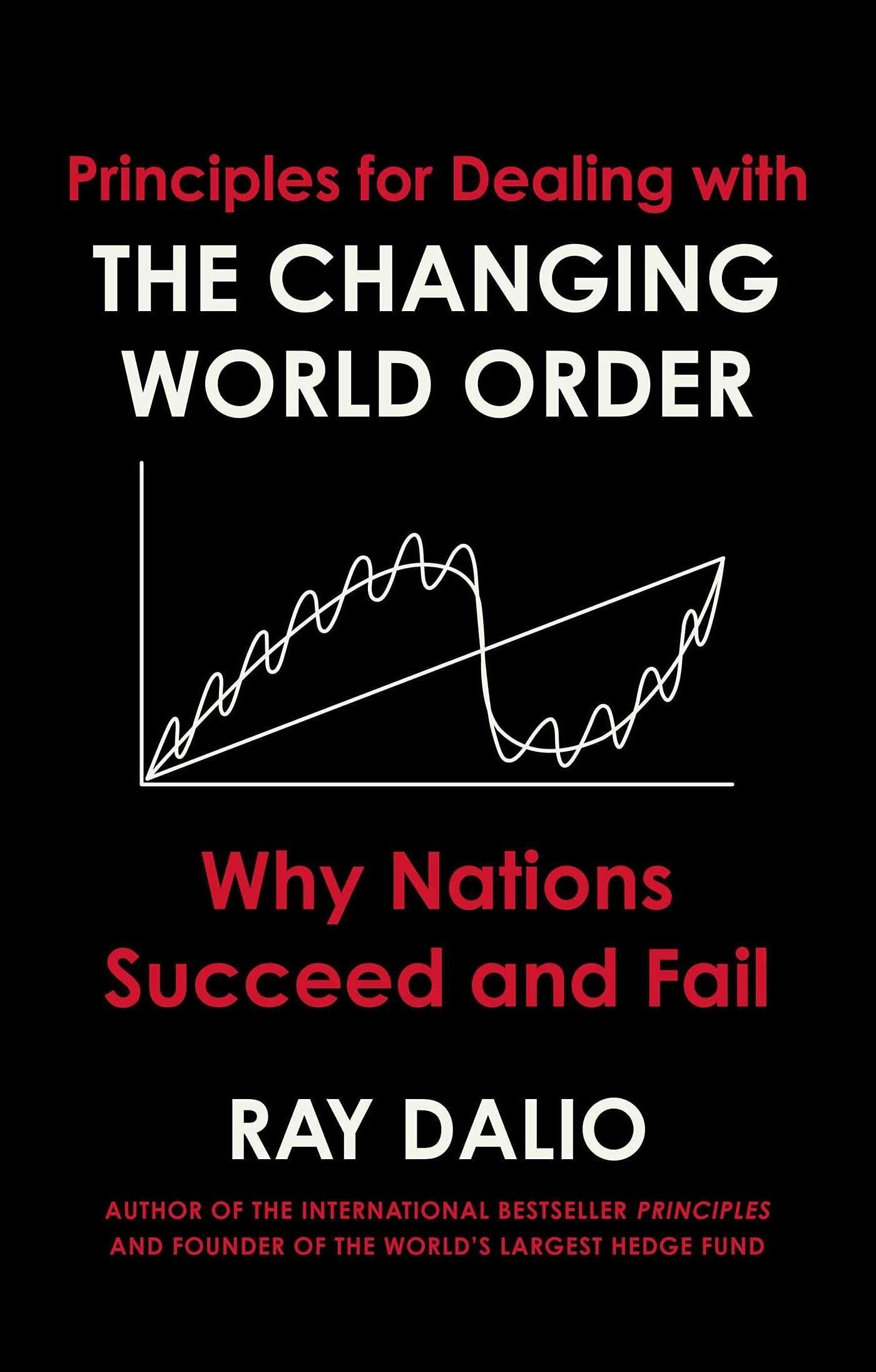
Simon & Schuster UK Principles for Dealing with the Changing World Order: Why Nations Succeed or Fail by Ray DalioFrom legendary investor Ray Dalio, author of the international bestseller Principles, who has spent half a century studying global economies and markets, Principles for Dealing with the Changing World Order examines history’s most turbulent economic and political periods to reveal why the times ahead will likely be radically different from those we’ve experienced in our lifetimes - but similar to those that have happened many times before. A few years ago, Ray Dalio noticed a confluence of political and economic conditions he hadn’t encountered before. They included huge debts and zero or near-zero interest rates that led to massive printing of money in the world’s three major reserve currencies; big political and social conflicts within countries, especially the US, due to the largest wealth, political and values disparities in more than 100 years; and the rising of a world power (China) to challenge the existing world power (US) and the existing world order. The last time that this confluence occurred was between 1930 and 1945. This realisation sent Dalio on a search for the repeating patterns and cause/effect relationships underlying all major changes in wealth and power over the last 500 years. In this remarkable and timely addition to his Principles series, Dalio brings readers along for his study of the major empires - including the Dutch, the British and the American - putting into perspective the 'Big Cycle' that has driven the successes and failures of all the world’s major countries throughout history. Dalio reveals the timeless and universal forces behind these shifts and uses them to look into the future, offering practical principles for positioning oneself for what’s ahead.13,99 £*Shipping: 2,99 £Secure redirect to the provider
-
Principles for Dealing with the Changing World Order: Why Nations Succeed or Fail by Ray Dalio - Non Fiction - Hardback Simon & SchusterPrinciples for Dealing with the Changing World Order examines history’s most turbulent economic and political periods to reveal why the times ahead will likely be radically different from those we’ve experienced in our lifetimes - but similar to those that have happened many times before. A few years ago, Ray Dalio noticed a confluence of political and economic conditions he hadn’t encountered before. They included huge debts and zero or near-zero interest rates that led to massive printing of money in the world’s three major reserve currencies; big political and social conflicts within countries, especially the US, due to the largest wealth, political and values disparities in more than 100 years; and the rising of a world power (China) to challenge the existing world power (US) and the existing world order. The last time that this confluence occurred was between 1930 and 1945. This realisation sent Dalio on a search for the repeating patterns and cause/effect relationships underlying all major changes in wealth and power over the last 500 years. In this remarkable and timely addition to his Principles series, Dalio brings readers along for his study of the major empires - including the Dutch, the British and the American - putting into perspective the 'Big Cycle' that has driven the successes and failures of all the world’s major countries throughout history. Dalio reveals the timeless and universal forces behind these shifts and uses them to look into the future, offering practical principles for positioning oneself for what’s ahead.13,99 £*Shipping: 2,99 £Secure redirect to the provider
-
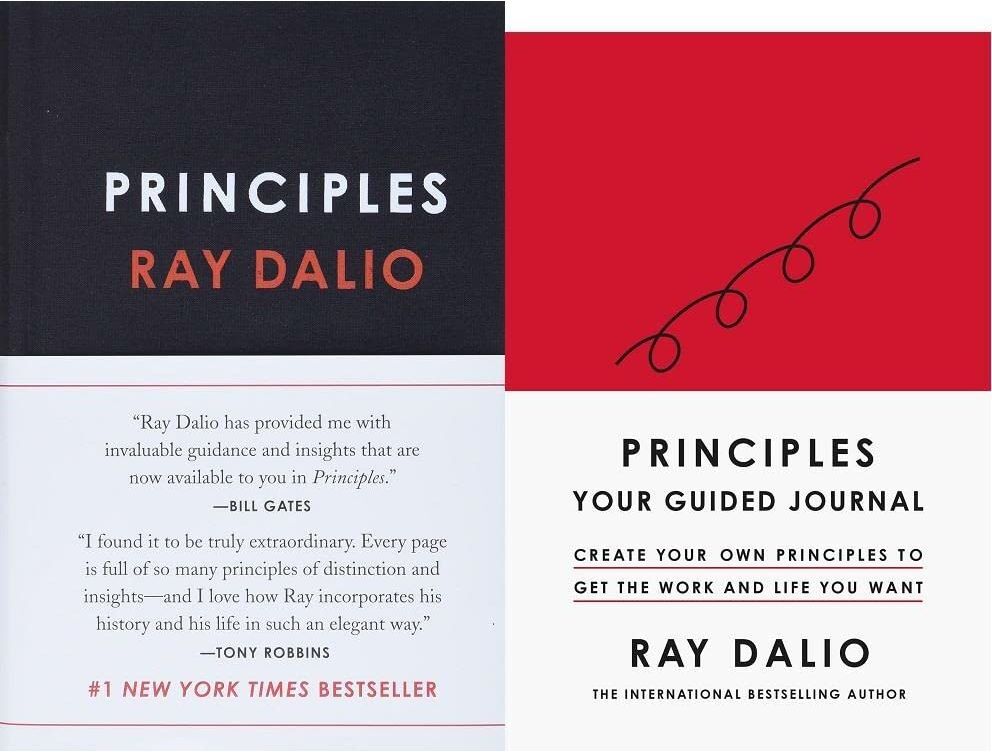
Simon & Schuster Principles Life and Work, Principles Your Guided Journal 2 Books Collection SetPrinciples: Life and Work, Principles Your Guided Journal 2 Books Collection Set Principles: Life and Work In Principles, Dalio shares what he’s learned over the course of his remarkable career. He argues that life, management, economics, and investing can all be systemized into rules and understood like machines. The book’s hundreds of practical lessons, which are built around his cornerstones of “radical truth” and “radical transparency,” include Dalio laying out the most effective ways for individuals and organizations to make decisions, approach challenges, and build strong teams. He also describes the innovative tools the firm uses to bring an idea meritocracy to life, such as creating “baseball cards” for all employees that distill their strengths and weaknesses, and employing computerized decision-making systems to make believability-weighted decisions. While the book brims with novel ideas for organizations and institutions, Principles also offers a clear, straightforward approach to decision-making that Dalio believes anyone can apply, no matter what they’re seeking to achieve. Principles: Your Guided Journal: With this new journal, Dalio takes his goal one step further to help readers reflect on and record their own principles. He does that by providing a series of guided exercises and questions for reflecting on what you’re like, what you value, and what principles will best help you achieve your goals. These exercises draw from key concepts in the original Principles book, including: 1. How to identify your strengths, weaknesses, motivations and preferences 2. How to use the 'five-step process' to achieve your goals 3. How to become both 'assertive and open-minded at the same time' 4. How to maximise your learning from your mistakes (which are inevitable)22,99 £*Shipping: 2,99 £Secure redirect to the provider


-
What are tips for dealing with ticks?
1. Wear long sleeves and pants when walking in wooded or grassy areas to minimize skin exposure. 2. Use insect repellent containing DEET on exposed skin and clothing. 3. After spending time outdoors, thoroughly check your body and clothing for ticks, paying close attention to areas like the scalp, behind the ears, and around the waistband. 4. If you find a tick attached to your skin, use fine-tipped tweezers to grasp the tick as close to the skin's surface as possible and pull upward with steady, even pressure. Clean the bite area and your hands with rubbing alcohol, an iodine scrub, or soap and water. 5. Monitor the bite area for any signs of infection or illness, and seek medical attention if you develop a rash, fever, or flu-like symptoms after a tick bite. **
-
What are tips for dealing with hyperhidrosis?
1. Use antiperspirants: Look for antiperspirants that contain aluminum chloride, which can help reduce sweating. 2. Wear breathable clothing: Choose natural fabrics like cotton and linen, which allow your skin to breathe and can help reduce sweating. 3. Manage stress: Stress can trigger excessive sweating, so practicing relaxation techniques like deep breathing, meditation, or yoga can help manage hyperhidrosis. 4. Seek medical treatment: If over-the-counter remedies aren't effective, consult a doctor for prescription-strength antiperspirants, medications, or other treatment options such as Botox injections or surgery. **
-
What are tips for dealing with children?
When dealing with children, it is important to be patient and understanding. Listen to their concerns and feelings, and validate their emotions. Set clear boundaries and expectations, and be consistent with discipline. Encourage open communication and positive reinforcement to build a strong and trusting relationship with the child. **
-
What are tips for dealing with sadness?
When dealing with sadness, it's important to acknowledge and accept your feelings rather than trying to suppress them. It can also be helpful to talk to someone you trust about how you're feeling, whether it's a friend, family member, or therapist. Engaging in activities that bring you joy, practicing self-care, and maintaining a healthy routine can also help in managing sadness. Remember that it's okay to seek professional help if you're struggling to cope with your emotions. **

What are tips for dealing with exhaustion?
1. Prioritize self-care: Make sure to get enough sleep, eat well, and engage in activities that bring you joy and relaxation. 2. Set boundaries: Learn to say no to additional commitments and delegate tasks when possible to avoid overextending yourself. 3. Take breaks: Schedule regular breaks throughout the day to rest and recharge, even if it's just for a few minutes. 4. Seek support: Talk to friends, family, or a therapist about your feelings of exhaustion and seek their support and understanding. 5. Practice mindfulness: Engage in mindfulness or relaxation techniques such as deep breathing, meditation, or yoga to help manage stress and improve energy levels. **
What are tips for dealing with heartbreak?
Dealing with heartbreak can be a challenging and painful experience. It's important to allow yourself to grieve and feel your emotions fully. Surround yourself with supportive friends and family who can provide comfort and understanding. Engage in self-care activities such as exercise, meditation, or hobbies to help you cope with the pain. Remember that healing takes time, so be patient with yourself and focus on personal growth and self-love. **
Top-Angebote
Products related to Principles-for-Dealing-with:
-
Simon & Schuster Principles and Principles for Dealing with the Changing World Order 2 Books Collection Set by Ray DalioRay Dalio Collection 2 Books Set (Principles Life and Work, Principles for Dealing with the Changing World Order): Principles Life and Work: In Principles, Dalio shares what he’s learned over the course of his remarkable career. He argues that life, management, economics, and investing can all be systemized into rules and understood like machines. The book’s hundreds of practical lessons, which are built around his cornerstones of “radical truth” and “radical transparency,” include Dalio laying out the most effective ways for individuals and organizations to make decisions, approach challenges, and build strong teams. Principles for Dealing with the Changing World Order: A few years ago, Ray Dalio noticed a confluence of political and economic conditions he hadn’t encountered before. They included huge debts and zero or near-zero interest rates that led to massive printing of money in the world’s three major reserve currencies; big political and social conflicts within countries, especially the US, due to the largest wealth, political and values disparities in more than 100 years; and the rising of a world power (China) to challenge the existing world power (US) and the existing world order.30,99 £*Shipping: 2,99 £Secure redirect to the provider
-
Simon and Schuster Ray Dalio Collection 3 Books Set (Principles Life and Work, Principles for Dealing with the Changing World Order, Principles Your Guided Journal)Ray Dalio Collection 3 Books Set (Principles Life and Work, Principles for Dealing with the Changing World Order, Principles Your Guided Journal) Principles Life and Work In Principles, Dalio shares what he’s learned over the course of his remarkable career. He argues that life, management, economics, and investing can all be systemized into rules and understood like machines. The book’s hundreds of practical lessons, which are built around his cornerstones of “radical truth” and “radical transparency,” include Dalio laying out the most effective ways for individuals and organizations to make decisions, approach challenges, and build strong teams. Principles for Dealing with the Changing World Order A few years ago, Ray Dalio noticed a confluence of political and economic conditions he hadn’t encountered before. They included huge debts and zero or near-zero interest rates that led to massive printing of money in the world’s three major reserve currencies; big political and social conflicts within countries, especially the US, due to the largest wealth, political and values disparities in more than 100 years; and the rising of a world power (China) to challenge the existing world power (US) and the existing world order. Principles Your Guided Journal In his international bestseller Principles, legendary investor Ray Dalio introduced millions of readers around the world to the unconventional approach he developed as the founder and builder of Bridgewater Associates, the largest and most successful hedge fund in the world. Dalio attributes his unique success to his process of recording, refining and acting on a set of well-defined principles, which are effectively decision-rules for getting what you want out of life and work.34,99 £*Shipping: 2,99 £Secure redirect to the provider
-
Simon and Schuster Ltd Ray Dalio Collection 4 Books Set (Principles Life and Work, Principles for Dealing with the Changing World Order, Principles Your Guided Journal and HRay Dalio Collection 4 Books Set (Principles Life and Work, Principles for Dealing with the Changing World Order, Principles Your Guided Journal and How Countries Go Broke) Books Included in This Set: Principles: Life and Work Principles for Dealing with the Changing World Order Principles: Your Guided Journal How Countries Go Broke Principles: Life and Work Ray Dalio, one of the world’s most successful investors and entrepreneurs, shares the unconventional principles that he’s developed, refined, and used over the past forty years to create unique results in both life and business—and which any person or organization can adopt to help achieve their goals. Principles for Dealing with the Changing World Order From legendary investor Ray Dalio, author of the international bestseller Principles, who has spent half a century studying global economies and markets, Principles for Dealing with the Changing World Order examines history’s most turbulent economic and political periods to reveal why the times ahead will likely be radically different from those we’ve experienced in our lifetimes - but similar to those that have happened many times before. Principles: Your Guided Journal In his international bestseller Principles, legendary investor Ray Dalio introduced millions of readers around the world to the unconventional approach he developed as the founder and builder of Bridgewater Associates, the largest and most successful hedge fund in the world. Dalio attributes his unique success to his process of recording, refining and acting on a set of well-defined principles, which are effectively decision-rules for getting what you want out of life and work. His goal in publishing the book was to show readers the value of principle-based thinking so that they could develop their own principles, aligned with their own values, for getting whatever they wanted out of life. How Countries Go Broke Do big government debts threaten our collective well-being? Are there limits to debt growth? Can a big, important reserve currency country like the United States really go broke – and what would that look like? For decades, politicians, policymakers and investors have debated these questions, but the answers have eluded them. In this groundbreaking book, Ray Dalio, one of the greatest investors of our time who anticipated the 2008 global financial crisis and the 2010–12 European debt crisis, shares for the first time his detailed explanation of what he calls the 'Big Debt Cycle'. Understanding this cycle is critical for helping policymakers, investors and the general public grasp where we are and where we are headed with the debt issue. Dalio's model points toward surprisingly straightforward solutions for dealing with the debt problems that the US, Europe, Japan and China face today.39,99 £*Shipping: 0,00 £Secure redirect to the provider
-
Simon & Schuster UK Principles for Dealing with the Changing World Order: Why Nations Succeed or Fail by Ray DalioFrom legendary investor Ray Dalio, author of the international bestseller Principles, who has spent half a century studying global economies and markets, Principles for Dealing with the Changing World Order examines history’s most turbulent economic and political periods to reveal why the times ahead will likely be radically different from those we’ve experienced in our lifetimes - but similar to those that have happened many times before. A few years ago, Ray Dalio noticed a confluence of political and economic conditions he hadn’t encountered before. They included huge debts and zero or near-zero interest rates that led to massive printing of money in the world’s three major reserve currencies; big political and social conflicts within countries, especially the US, due to the largest wealth, political and values disparities in more than 100 years; and the rising of a world power (China) to challenge the existing world power (US) and the existing world order. The last time that this confluence occurred was between 1930 and 1945. This realisation sent Dalio on a search for the repeating patterns and cause/effect relationships underlying all major changes in wealth and power over the last 500 years. In this remarkable and timely addition to his Principles series, Dalio brings readers along for his study of the major empires - including the Dutch, the British and the American - putting into perspective the 'Big Cycle' that has driven the successes and failures of all the world’s major countries throughout history. Dalio reveals the timeless and universal forces behind these shifts and uses them to look into the future, offering practical principles for positioning oneself for what’s ahead.13,99 £*Shipping: 2,99 £Secure redirect to the provider
-
Why should one not only act according to economic principles when dealing with a checking account?
While economic principles are important when managing a checking account, it is also crucial to consider other factors such as personal financial goals, risk tolerance, and individual circumstances. Simply focusing on economic principles may overlook the emotional aspects of money management, such as peace of mind and financial security. Additionally, neglecting to consider non-economic factors could lead to decisions that do not align with one's values or long-term objectives. Therefore, a holistic approach that takes into account both economic principles and personal considerations is essential for effective checking account management. **
-
What are tips for dealing with clinginess?
1. Set boundaries: It's important to communicate your needs and set boundaries with the person who is being clingy. Let them know when you need space and time for yourself. 2. Encourage independence: Encourage the clingy person to pursue their own interests and hobbies, and to spend time with other friends and family members. This can help them become more self-reliant and less dependent on you for constant attention. 3. Be understanding: Try to understand the underlying reasons for their clinginess, such as insecurity or fear of abandonment. Show empathy and offer support as they work through their emotions. 4. Seek professional help if needed: If the clinginess is causing significant distress or strain on the relationship, consider seeking the help of a therapist or counselor to work through the issues together. **
-
What are tips for dealing with ticks?
1. Wear long sleeves and pants when walking in wooded or grassy areas to minimize skin exposure. 2. Use insect repellent containing DEET on exposed skin and clothing. 3. After spending time outdoors, thoroughly check your body and clothing for ticks, paying close attention to areas like the scalp, behind the ears, and around the waistband. 4. If you find a tick attached to your skin, use fine-tipped tweezers to grasp the tick as close to the skin's surface as possible and pull upward with steady, even pressure. Clean the bite area and your hands with rubbing alcohol, an iodine scrub, or soap and water. 5. Monitor the bite area for any signs of infection or illness, and seek medical attention if you develop a rash, fever, or flu-like symptoms after a tick bite. **
-
What are tips for dealing with hyperhidrosis?
1. Use antiperspirants: Look for antiperspirants that contain aluminum chloride, which can help reduce sweating. 2. Wear breathable clothing: Choose natural fabrics like cotton and linen, which allow your skin to breathe and can help reduce sweating. 3. Manage stress: Stress can trigger excessive sweating, so practicing relaxation techniques like deep breathing, meditation, or yoga can help manage hyperhidrosis. 4. Seek medical treatment: If over-the-counter remedies aren't effective, consult a doctor for prescription-strength antiperspirants, medications, or other treatment options such as Botox injections or surgery. **
Similar search terms for Principles-for-Dealing-with
-
Principles for Dealing with the Changing World Order: Why Nations Succeed or Fail by Ray Dalio - Non Fiction - Hardback Simon & SchusterPrinciples for Dealing with the Changing World Order examines history’s most turbulent economic and political periods to reveal why the times ahead will likely be radically different from those we’ve experienced in our lifetimes - but similar to those that have happened many times before. A few years ago, Ray Dalio noticed a confluence of political and economic conditions he hadn’t encountered before. They included huge debts and zero or near-zero interest rates that led to massive printing of money in the world’s three major reserve currencies; big political and social conflicts within countries, especially the US, due to the largest wealth, political and values disparities in more than 100 years; and the rising of a world power (China) to challenge the existing world power (US) and the existing world order. The last time that this confluence occurred was between 1930 and 1945. This realisation sent Dalio on a search for the repeating patterns and cause/effect relationships underlying all major changes in wealth and power over the last 500 years. In this remarkable and timely addition to his Principles series, Dalio brings readers along for his study of the major empires - including the Dutch, the British and the American - putting into perspective the 'Big Cycle' that has driven the successes and failures of all the world’s major countries throughout history. Dalio reveals the timeless and universal forces behind these shifts and uses them to look into the future, offering practical principles for positioning oneself for what’s ahead.13,99 £*Shipping: 2,99 £Secure redirect to the provider
-
Simon & Schuster Principles Life and Work, Principles Your Guided Journal 2 Books Collection SetPrinciples: Life and Work, Principles Your Guided Journal 2 Books Collection Set Principles: Life and Work In Principles, Dalio shares what he’s learned over the course of his remarkable career. He argues that life, management, economics, and investing can all be systemized into rules and understood like machines. The book’s hundreds of practical lessons, which are built around his cornerstones of “radical truth” and “radical transparency,” include Dalio laying out the most effective ways for individuals and organizations to make decisions, approach challenges, and build strong teams. He also describes the innovative tools the firm uses to bring an idea meritocracy to life, such as creating “baseball cards” for all employees that distill their strengths and weaknesses, and employing computerized decision-making systems to make believability-weighted decisions. While the book brims with novel ideas for organizations and institutions, Principles also offers a clear, straightforward approach to decision-making that Dalio believes anyone can apply, no matter what they’re seeking to achieve. Principles: Your Guided Journal: With this new journal, Dalio takes his goal one step further to help readers reflect on and record their own principles. He does that by providing a series of guided exercises and questions for reflecting on what you’re like, what you value, and what principles will best help you achieve your goals. These exercises draw from key concepts in the original Principles book, including: 1. How to identify your strengths, weaknesses, motivations and preferences 2. How to use the 'five-step process' to achieve your goals 3. How to become both 'assertive and open-minded at the same time' 4. How to maximise your learning from your mistakes (which are inevitable)22,99 £*Shipping: 2,99 £Secure redirect to the provider
-
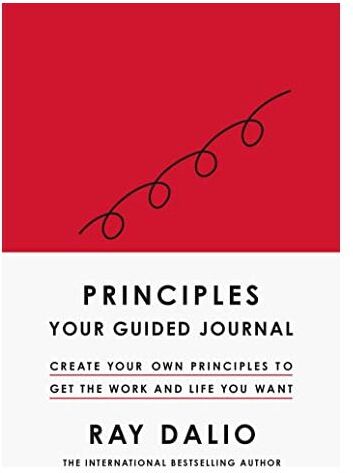
Simon & Schuster Principles: Your Guided Journal: Create Your Own Principles to Get the Work and Life You Want by Ray DalioIn his international bestseller Principles, legendary investor Ray Dalio introduced millions of readers around the world to the unconventional approach he developed as the founder and builder of Bridgewater Associates, the largest and most successful hedge fund in the world. Dalio attributes his unique success to his process of recording, refining and acting on a set of well-defined principles, which are effectively decision-rules for getting what you want out of life and work. His goal in publishing the book was to show readers the value of principle-based thinking so that they could develop their own principles, aligned with their own values, for getting whatever they wanted out of life. With this new journal, Dalio takes his goal one step further to help readers reflect on and record their own principles. He does that by providing a series of guided exercises and questions for reflecting on what you’re like, what you value, and what principles will best help you achieve your goals. These exercises draw from key concepts in the original Principles book, including: 1. How to identify your strengths, weaknesses, motivations and preferences 2. How to use the 'five-step process' to achieve your goals 3. How to become both 'assertive and open-minded at the same time' 4. How to maximise your learning from your mistakes (which are inevitable) All of these exercises can optionally be enhanced using the free Principles in Action iOS and Android app, which provides an even more interactive, multimedia experience, and they are followed by a number of blank journal pages containing thought-provoking and unconventional prompts from Principles aimed at helping you formulate your own principles. The experience concludes with a structured reflection on where you and your loved ones are along life’s journey, leaving you with a highly personalised, practical playbook for achieving success in the years ahead.12,99 £*Shipping: 2,99 £Secure redirect to the provider
-
Dealing With Feeling By Isabel Thomas 8 Books Collection Set - Ages 5+ - Paperback Capstone Global Library LtdTitles in this Set: Angry Caring Happy Jealous Proud Sad Shy Worried Description: Each book in the Dealing with Feeling... series looks at a different emotion commonly experienced by young children. The eight books in this collection help readers to identify their emotions, and also provide tips and advice on how best to express and deal with different emotions. Each book looks at a different emotion, what it feels like, how to deal with the emotion and how to help other people who might be feeling the same emotion. The Dealing with Feeling series helps young readers ages 5 and up discover and understand the world around them. Headings in the form of questions help children to focus and ask their own questions. Each book contains a glossary and an index, offering young readers an introduction to these important features of non-fiction text.12,99 £*Shipping: 2,99 £Secure redirect to the provider
-
What are tips for dealing with children?
When dealing with children, it is important to be patient and understanding. Listen to their concerns and feelings, and validate their emotions. Set clear boundaries and expectations, and be consistent with discipline. Encourage open communication and positive reinforcement to build a strong and trusting relationship with the child. **
-
What are tips for dealing with sadness?
When dealing with sadness, it's important to acknowledge and accept your feelings rather than trying to suppress them. It can also be helpful to talk to someone you trust about how you're feeling, whether it's a friend, family member, or therapist. Engaging in activities that bring you joy, practicing self-care, and maintaining a healthy routine can also help in managing sadness. Remember that it's okay to seek professional help if you're struggling to cope with your emotions. **
-
What are tips for dealing with exhaustion?
1. Prioritize self-care: Make sure to get enough sleep, eat well, and engage in activities that bring you joy and relaxation. 2. Set boundaries: Learn to say no to additional commitments and delegate tasks when possible to avoid overextending yourself. 3. Take breaks: Schedule regular breaks throughout the day to rest and recharge, even if it's just for a few minutes. 4. Seek support: Talk to friends, family, or a therapist about your feelings of exhaustion and seek their support and understanding. 5. Practice mindfulness: Engage in mindfulness or relaxation techniques such as deep breathing, meditation, or yoga to help manage stress and improve energy levels. **
-
What are tips for dealing with heartbreak?
Dealing with heartbreak can be a challenging and painful experience. It's important to allow yourself to grieve and feel your emotions fully. Surround yourself with supportive friends and family who can provide comfort and understanding. Engage in self-care activities such as exercise, meditation, or hobbies to help you cope with the pain. Remember that healing takes time, so be patient with yourself and focus on personal growth and self-love. **
* All prices are inclusive of VAT and, if applicable, plus shipping costs. The offer information is based on the details provided by the respective shop and is updated through automated processes. Real-time updates do not occur, so deviations can occur in individual cases. ** Note: Parts of this content were created by AI.